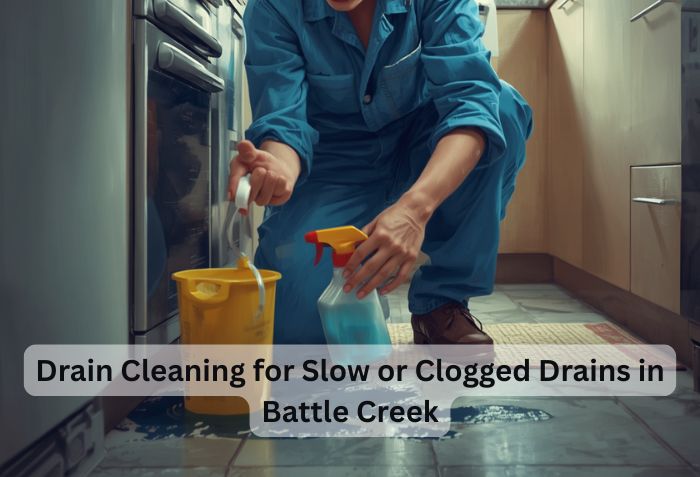
If you are searching for drain cleaning Battle Creek MI, Whitney Services helps homeowners clear slow drains, clogged sinks, backed up tubs, blocked toilets, and sewer line issues before they turn into larger plumbing problems. A slow drain may seem minor at first, but it can point to grease buildup, soap scum, hair, food waste, mineral scale, tree roots, or a deeper blockage in the drain line. When more than one fixture is draining slowly, or water backs up into a tub, shower, toilet, or floor drain, the problem may be farther down the plumbing system and may need a clogged drain plumber Battle Creek homeowners can call for professional service. Kitchen and bathroom drains see daily use, so clogs can build gradually until water no longer moves the way it should. Whitney Services can inspect the affected drain, remove the blockage, check for warning signs, and recommend the right repair when routine drain cleaning is not enough.
Why Slow Drains Should Not Be Ignored
A slow drain is often the first sign of a growing blockage. The pipe may still allow some water to pass, but the open space inside the pipe may be narrowing. As buildup collects, the drain may start making noise, holding water, smelling bad, or backing up into another fixture.
Small Clogs Can Become Full Blockages
A small kitchen sink clog Battle Creek homeowners notice after washing dishes can grow when grease, food particles, soap, and debris collect along the pipe walls. Bathroom drains can slow down when hair, soap film, toothpaste, shaving cream, and skin oils stick together.
Once the pipe opening narrows, even normal water flow can carry more debris into the same area. That is how a drain that was only a little slow can become fully blocked.
Drain Problems Can Spread to Other Fixtures
A local clog could be the cause of one slow sink. Several slow drains may point to a larger issue. If the toilet gurgles when the shower drains, or water backs up into a basement floor drain when the washing machine runs, the problem may be in the branch drain or main sewer line.
These symptoms should be checked quickly. A main line clog can affect the whole home and can lead to wastewater backing up into lower level fixtures.
Bad Odors Can Point to Buildup
Drain odors can come from trapped food, grease, bacteria, dried trap water, or sewer gas issues. A simple cleaning may solve some odor problems, but recurring smells need inspection.
If sewage odor appears near multiple drains, or if odors come with bubbling, backup, or slow drainage, call a plumber.
Common Causes of Clogged Drains in Battle Creek Homes
Drain clogs usually happen because the wrong materials enter the drain or because the pipe has a condition that catches debris.
Grease and Cooking Oil
Grease is one of the most common causes of kitchen drain problems. It may go down the drain as liquid, then cool and stick to the pipe. Food scraps and soap can cling to the grease, making the blockage larger.
The EPA advises homeowners not to pour cooking oil or grease down the drain and also advises avoiding chemical drain openers for a clogged drain. (epa.gov)
Food Scraps
Garbage disposals can grind food, but they do not make all food safe for drains. Coffee grounds, rice, pasta, eggshells, potato peels, fibrous vegetables, and heavy food waste can collect inside piping.
Even small food scraps can become a problem when they combine with grease.
Hair and Soap Scum
Bathroom drain cleaning is often needed because hair and soap scum build up in shower, tub, and sink drains. Hair can wrap around drain parts and create a net that catches more debris. Soap residue can harden and reduce the pipe opening.
Toothpaste, Shaving Cream, and Personal Care Products
Bathroom sinks carry more than water. Toothpaste, shaving cream, face wash, makeup residue, and hair products can coat the inside of the drain. These materials can stick to hair and soap film, making the clog harder to clear.
Flushable Wipes and Paper Products
Many wipes are marketed as flushable, but they can still contribute to blockages. Toilets are made to manage toilet paper and human waste. Wipes, paper towels, cotton pads, hygiene products, and similar items can catch in the piping and create clogs.
Tree Roots
Tree roots can enter sewer lines through joints, cracks, or damaged sections. Once inside, roots catch waste and paper until the pipe slows or blocks. Root issues often cause recurring clogs, especially in older sewer lines.
Pipe Damage or Poor Slope
A drain line may clog repeatedly if the pipe is cracked, sagging, corroded, offset, or poorly sloped. Drain cleaning may restore flow temporarily, but the problem can return unless the pipe issue is repaired.
Kitchen Sink Clog Battle Creek: Warning Signs and Causes
Kitchen sinks work hard every day. Cooking, dishwashing, food prep, and cleanup all send waste toward the drain. That makes the kitchen one of the most common places for clogs.
Water Drains Slowly After Dishwashing
If water pools in the sink after washing dishes, grease or food buildup may be narrowing the drain. This is especially common when grease is rinsed down the sink or when plates are not scraped before washing.
The Garbage Disposal Backs Up
A disposal can clog when too much food is added at once or when water flow is too low. Some foods can wrap around blades or clump together in the drain. If the disposal hums, drains slowly, or pushes water back into the sink, stop using it and call for service.
Both Sink Bowls Back Up
In a double bowl sink, one side may back up into the other when the clog sits beyond the shared drain connection. This can happen with grease, food scraps, or a blocked trap.
Dishwasher Water Appears in the Sink
If dishwasher discharge backs up into the sink, the shared drain path may be blocked. The air gap, hose, disposal connection, or drain line may need inspection.
Odors Come From the Kitchen Drain
Food waste and grease can create odors inside the drain. Cleaning the visible drain opening may not reach the buildup farther down the line. A plumber can clear the line and check for disposal or trap issues.
Bathroom Drain Cleaning for Tubs, Showers, and Sinks
Bathrooms have their own drain problems because hair, soap, and personal care products enter the drain every day.
Shower and Tub Drains
A shower or tub that drains slowly is often clogged with hair and soap scum. The blockage may sit near the drain cover, in the trap, or farther down the branch line.
If standing water remains after a shower, schedule service before the drain stops completely.
Bathroom Sink Drains
Bathroom sink clogs often form around the pop up stopper. Hair, toothpaste, soap, and grooming products can collect in that area. A slow bathroom sink may also smell bad if buildup has been sitting in the drain for a long time.
Toilet Clogs
A single toilet clog may be caused by too much toilet paper or an item flushed by mistake. Repeated toilet clogs may point to a low flow issue, blocked trapway, venting issue, or sewer line problem.
If plunging does not work, avoid repeated force because it can make a mess or damage parts. Call a plumber for safe clearing.
Floor Drains
Basement floor drains can back up when the main line is blocked. If water rises from a floor drain after laundry, showering, or flushing, stop using water and call a plumber.
Sewer Drain Cleaning Michigan Homeowners May Need
A sewer drain problem affects the main path that carries wastewater away from the home. When the main line slows or blocks, several fixtures may act up at once.
Signs of a Sewer Line Clog
Common warning signs include multiple slow drains, gurgling toilets, sewage odor, water backing up into tubs or showers, and basement floor drain backups. These symptoms are different from a simple sink clog.
If the issue affects the lowest fixtures in the home first, the main line may be involved.
Why Sewer Clogs Happen
Sewer clogs can be caused by grease, wipes, paper buildup, tree roots, collapsed pipe, offset pipe joints, poor slope, or foreign objects. Older sewer lines may also have rough pipe walls that catch debris.
Why Sewer Backups Need Care
Wastewater can carry bacteria and other contaminants. CDC guidance for workers handling sewage says proper protective equipment and handwashing are needed after handling human waste or sewage. Homeowners should avoid contact with sewer water and keep children and pets away from affected areas. (cdc.gov)
When Camera Inspection May Be Needed
If a sewer line clogs repeatedly, drain cleaning alone may not answer why. A camera inspection can help locate roots, pipe damage, sagging sections, broken pipe, or heavy buildup.
Professional Drain Cleaning Methods
A plumber chooses the drain cleaning method based on the clog location, pipe condition, fixture type, and symptoms.
Drain Augering
A drain auger or cable can break through many clogs. Different cable sizes and heads may be used for sink drains, tubs, toilets, branch lines, and sewer lines.
Trap Cleaning
Some clogs sit in the trap under a sink. A plumber can remove and clean the trap, check for damage, and reinstall it properly.
Hydro Jetting
Hydro jetting uses high pressure water to clean the inside of the pipe. It can be useful for grease, sludge, and heavy buildup when the pipe condition allows it. A plumber should evaluate whether the pipe is strong enough and whether jetting is appropriate.
Toilet Augering
A toilet auger is designed to clear toilet clogs without damaging the bowl when used properly. It is different from a regular sink snake.
Camera Inspection
Camera inspection helps identify the cause of recurring or severe clogs. It can show roots, cracks, bellies, offsets, and buildup inside the pipe.
Why Chemical Drain Cleaners Can Cause Problems
Many homeowners reach for chemical drain cleaners when water stops moving. These products may seem convenient, but they can create risks and may not solve the real problem.
They May Not Remove the Full Clog
A chemical cleaner may open a small path through the blockage without removing the full buildup. The drain may work briefly, then slow down again.
They Can Be Harsh on Plumbing
Some chemicals generate heat or contain corrosive ingredients. Older pipes, weak joints, traps, and seals may be affected. If the product sits in standing water, the hazard can remain in the fixture until the plumber arrives.
They Can Create Safety Risks
Chemical drain products can splash, release fumes, or remain in the water inside the fixture. This can create risk for the homeowner and the plumber who later clears the drain.
The EPA advises avoiding chemical drain openers for clogged drains. (epa.gov)
What to Do Before Calling a Clogged Drain Plumber
Some simple steps can help protect the home and help the plumber understand the issue.
Stop Running Water
If water is backing up, stop using the affected fixture. If several drains are backing up, avoid using water anywhere in the home until the main issue is checked.
Check Nearby Fixtures
Look at other sinks, tubs, toilets, and floor drains. If only one fixture is slow, the clog may be local. If several fixtures are affected, the blockage may be farther down the line.
Avoid Chemical Products
Do not pour chemical drain cleaners into a fully blocked drain. If you already used a chemical product, tell the plumber before work begins.
Clear the Area
Remove items from under sinks, around toilets, near floor drains, and around the affected area. This helps the plumber access the drain faster.
Note What Happened Before the Clog
Tell the plumber if grease, food waste, wipes, toys, paper towels, or other items may have entered the drain. Also mention if the issue happens after laundry, dishwasher use, showers, or heavy rain.
How Whitney Services Handles Drain Cleaning
Whitney Services focuses on clearing the blockage and identifying the cause so the problem is less likely to return.
Problem Review
The plumber asks which fixtures are affected, how long the drain has been slow, whether backups happened before, and whether sewage odor is present.
Drain Access
The plumber may access the drain through the fixture, trap, cleanout, toilet, or main line access point. Access depends on the clog location.
Clearing the Blockage
The right method is selected based on the drain type and clog severity. The plumber may use an auger, cable, trap cleaning, or other equipment.
Flow Testing
After clearing the drain, the plumber tests water flow to confirm the line is draining properly. In some cases, several fixtures may be tested.
Repair Recommendations
If the clog returns or signs point to pipe damage, Whitney Services may recommend camera inspection, pipe repair, sewer service, or fixture correction.
Preventing Kitchen Drain Clogs
Kitchen clogs can often be reduced with better habits.
Keep Grease Out of the Drain
Let grease cool, then place it in a container and throw it in the trash. Wipe greasy pans with a paper towel before washing. The EPA advises homeowners never to pour cooking oil or grease down the drain. (epa.gov)
Scrape Plates Before Washing
Food scraps should go into the trash or compost where appropriate. This reduces what the drain and disposal must handle.
Use Cold Water With the Disposal
When using a garbage disposal, run plenty of water and feed small amounts at a time. Avoid fibrous, starchy, or hard items that can jam or clog the system.
Clean Sink Stoppers
Sink strainers and stoppers can collect food and soap. Cleaning them helps reduce odors and buildup.
Schedule Service for Recurring Clogs
If the kitchen drain clogs repeatedly, there may be grease deeper in the line or a pipe condition that needs inspection.
Preventing Bathroom Drain Clogs
Bathroom clogs often come from everyday habits.
Use Drain Screens
A drain screen can catch hair before it enters the pipe. Clean the screen often so water can still flow.
Remove Hair From Stoppers
Tub and sink stoppers should be cleaned when water starts draining slowly. Hair and soap can collect around the stopper.
Watch What Goes in the Toilet
Only human waste and toilet paper should be flushed. Wipes, paper towels, cotton swabs, hygiene products, dental floss, and similar items belong in the trash.
Rinse Soap Residue
Soap and personal care products can build up over time. Rinsing fixtures after use can help reduce residue.
Call When Slow Drains Repeat
A slow shower that returns after basic cleaning may have a deeper clog. Whitney Services can clear the drain and check whether the issue is local or farther down the line.
When Drain Cleaning Is Not Enough
Sometimes a drain needs more than clearing. If the same line keeps clogging, the pipe may have a larger problem.
Recurring Clogs
A clog that returns every few weeks or months may point to pipe damage, root intrusion, poor slope, or heavy buildup.
Sewage Odors
Persistent sewer odors can indicate venting issues, dried traps, damaged pipe, or sewer line problems.
Water Damage Around Fixtures
Leaks around toilets, sinks, tubs, or drain lines may need repair along with drain cleaning.
Older Sewer Lines
Older lines may have cracks, root entry points, corrosion, or shifted joints. Camera inspection can help identify the issue.
Drain Noise
Gurgling can point to venting trouble or a blockage that affects air movement in the drainage system.
Drain Cleaning and Battle Creek Plumbing Permits
Most routine clog clearing may not require the same permit process as replacement work, but larger plumbing repairs can. If drain cleaning reveals a broken pipe, sewer line repair, fixture replacement, or major drainage work, permit requirements may apply.
Local Permit Information
Battle Creek city code states that plumbing work, whether new or replacement, should not be undertaken without first obtaining a permit from the Building Inspection Division. The code says permits are issued only to a licensed master plumber or to a homeowner doing work on their own single family dwelling. (codelibrary.amlegal.com)
Inspections Through BS&A
The City of Battle Creek states that BS&A is the online portal where customers can submit permit applications, upload digital plans, and schedule electrical and plumbing inspections. (battlecreekmi.gov)
Why This Matters
If a clog leads to pipe replacement, sewer repair, or drainage changes, handling permit steps correctly can protect the homeowner and support proper inspection records.
Why Choose Whitney Services for Drain Cleaning Battle Creek MI
Whitney Services helps Battle Creek homeowners clear drains and understand why the blockage happened.
Local Plumbing Help
A local plumber understands common residential drain issues, including kitchen grease, bathroom hair clogs, basement backups, older pipe concerns, and sewer line problems.
Proper Tools for the Job
Professional drain cleaning uses tools matched to the drain. A bathroom sink, kitchen branch line, toilet, and main sewer line do not need the same method.
Safer Than Guesswork
Repeated plunging, chemical products, and makeshift tools can damage fixtures or push the clog farther down. A plumber can clear the line with the right approach.
Help With Recurring Issues
If the same drain keeps slowing down, Whitney Services can look beyond the clog and check for pipe conditions that need repair.
FAQs About Drain Cleaning Battle Creek
1. When should I call a plumber for a clogged drain?
Call a plumber when a drain is fully blocked, water backs up into another fixture, several drains are slow at once, sewage odor is present, or the same drain keeps clogging. These signs can point to a deeper blockage or sewer line issue.
You should also call if plunging does not work or if you already used a chemical drain cleaner. Tell the plumber what was used so they can take proper safety steps. Whitney Services can inspect the problem, clear the blockage, and check whether the issue is local or part of a larger drain line concern.
2. What causes a kitchen sink clog in Battle Creek homes?
Kitchen sink clogs are often caused by grease, cooking oil, food scraps, coffee grounds, soap residue, and disposal misuse. Grease is a common problem because it can enter the drain as liquid, cool inside the pipe, and trap food particles.
The EPA advises homeowners not to pour cooking oil or grease down the drain and advises avoiding chemical drain openers for clogged drains. (epa.gov) To prevent kitchen clogs, scrape plates before washing, throw grease in the trash after it cools, use sink strainers, and call Whitney Services when slow drainage keeps coming back.
3. Why does my bathroom drain keep clogging?
Bathroom drains often clog because of hair, soap scum, toothpaste, shaving cream, skin oils, and personal care products. In showers and tubs, hair can catch on the drain assembly and hold soap residue until water flow slows. In bathroom sinks, buildup often forms around the stopper.
If the clog returns after cleaning the visible drain parts, the blockage may be deeper in the trap or branch line. Whitney Services can clear the drain and check whether the issue is limited to that fixture or connected to a larger drainage problem.
4. How do I know if I need sewer drain cleaning?
You may need sewer drain cleaning if several fixtures drain slowly, toilets gurgle, water backs up into a tub or shower, basement floor drains overflow, or sewage odor appears inside the home. These signs can mean the main drain line is blocked.
Stop using water if sewage or wastewater is backing up. Wastewater can carry contaminants, and CDC guidance for sewage handling says protective equipment and handwashing are needed when handling human waste or sewage. (cdc.gov) Whitney Services can inspect the line, clear the blockage, and recommend camera inspection if the clog keeps returning.
5. Are chemical drain cleaners safe to use?
Chemical drain cleaners are not the best choice for many clogs. They may not remove the full blockage, and they can leave harsh chemicals sitting in the fixture if the drain remains blocked. They can also create risk for the homeowner and the plumber who later works on the drain.
The EPA advises avoiding chemical drain openers for clogged drains. (epa.gov) A safer option is to call a clogged drain plumber Battle Creek homeowners can trust, especially when the clog is severe, recurring, or affecting more than one fixture.
Schedule Drain Cleaning in Battle Creek
A slow or clogged drain should not be ignored. The issue may be a simple local clog, but it may also be the first sign of a larger drainage problem. Whitney Services provides drain cleaning Battle Creek MI homeowners can use for kitchen sinks, bathroom drains, toilets, tubs, showers, basement floor drains, and sewer line issues.
Call Whitney Services for clogged drain plumber Battle Creek service, kitchen sink clog repair, bathroom drain cleaning, and sewer drain cleaning Michigan homeowners need when water stops moving the way it should.