Commercial properties in Macomb Township, MI rely heavily on well-functioning plumbing systems to keep daily operations running smoothly. From office buildings and restaurants to warehouses and retail centers, even a small plumbing issue can disrupt business, cause costly downtime, and damage property. That is why understanding how to plan effective commercial plumbing maintenance is essential for long-term system performance and cost control.
This guide explains a step-by-step approach to planning maintenance, identifying risks early, and building a preventive strategy that protects your property investment. We will also highlight how professional support from trusted service providers like Whitney Services can help businesses stay ahead of plumbing problems.
Understanding Commercial Plumbing Maintenance
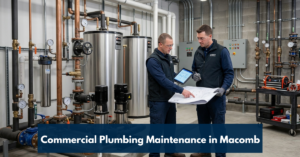
Commercial plumbing maintenance refers to the routine inspection, servicing, and repair of plumbing systems in business properties. Unlike residential plumbing, commercial systems handle higher usage, more complex layouts, and stricter safety requirements.
A proper maintenance plan typically includes:
- Regular pipe inspections
- Drain cleaning and blockage prevention
- Water heater servicing
- Leak detection
- Backflow prevention checks
- Fixture and valve inspections
The goal is to prevent emergencies rather than react to them after damage occurs.
In Macomb Township, MI, seasonal temperature changes also increase the risk of pipe stress, making maintenance even more important for commercial properties.
Why Commercial Plumbing Maintenance Is Important
Ignoring plumbing maintenance can lead to serious operational and financial consequences. Businesses that invest in preventive care experience fewer disruptions and lower repair costs.
1. Prevents Costly Emergencies
Emergency plumbing repairs are significantly more expensive than scheduled maintenance. Burst pipes, sewer backups, and water damage can shut down operations instantly.
2. Extends System Lifespan
Regular servicing helps pipes, fixtures, and water systems last longer, delaying the need for expensive replacements.
3. Improves Water Efficiency
Leaks and inefficient fixtures waste large amounts of water. Maintenance ensures systems run efficiently and reduces utility bills.
4. Ensures Health and Safety Compliance
Commercial properties must meet local health and safety standards. Maintenance helps prevent contamination, mold growth, and unsafe conditions.
Step 1: Conduct a Full Plumbing System Assessment
The first step in planning effective commercial plumbing maintenance is a complete system evaluation. This helps identify existing issues and potential risks.
A professional inspection typically covers:
- Water supply lines
- Drainage systems
- Sewer connections
- Water heaters and boilers
- Restroom fixtures
- Kitchen plumbing systems (if applicable)
In Macomb Township, MI, many older commercial buildings may have aging infrastructure, making assessments even more critical.
A detailed inspection report helps create a customized maintenance schedule based on actual system condition rather than guesswork.
Step 2: Create a Preventive Maintenance Schedule
A structured schedule is the backbone of any successful plumbing maintenance plan. Instead of waiting for problems, businesses should plan routine service intervals.
Recommended schedule:
- Monthly: Visual inspections of fixtures and leaks
- Quarterly: Drain cleaning and pressure checks
- Bi-annually: Water heater servicing and pipe inspections
- Annually: Full system audit and compliance check
This structured approach ensures that small issues are detected before they escalate into major failures.
Businesses with high water usage, such as restaurants or hotels, may require more frequent maintenance.
Step 3: Focus on Drain and Sewer Line Maintenance
Drainage systems are one of the most common sources of commercial plumbing problems. Blockages can lead to foul odors, backups, and even structural damage.
Preventive measures include:
- Regular hydro jetting
- Grease trap cleaning (for food-related businesses)
- Sewer camera inspections
- Proper waste disposal education for staff
In Macomb Township, MI, seasonal debris and freezing conditions can also contribute to drainage issues, making regular cleaning essential.
Step 4: Maintain Water Heaters and Boilers
Commercial properties often rely on high-capacity water heaters or boilers for daily operations. Without maintenance, these systems can lose efficiency or fail completely.
Maintenance tasks include:
- Flushing sediment buildup
- Checking temperature and pressure valves
- Inspecting heating elements
- Testing for leaks or corrosion
Proper servicing ensures consistent hot water supply and reduces energy consumption.
Step 5: Check for Corrosion and Leaks in Pipes
One of the most harmful plumbing problems in commercial buildings is leaks. Every year, thousands of gallons of water can be wasted by even tiny leaks.
Signs of hidden leaks include:
- Unexplained increase in water bills
- Damp walls or ceilings
- Mold or mildew growth
- Low water pressure
Routine inspections help detect corrosion and weak pipe joints before they fail.
Step 6: Install Monitoring and Detection Systems
Modern plumbing systems benefit from smart monitoring technology. These tools help detect issues in real time.
Examples include:
- Leak detection sensors
- Water pressure monitoring systems
- Automatic shut-off valves
These technologies are especially useful for large commercial properties in Macomb Township, MI, where plumbing systems are extensive and harder to monitor manually.
Step 7: Work with a Professional Plumbing Service
While some basic maintenance tasks can be handled in-house, most commercial systems require expert attention. Hiring professionals ensures compliance, safety, and long-term efficiency.
One of the most reputable companies for assistance with commercial plumbing maintenance is Whitney Services. Their knowledge aids companies in creating personalised maintenance schedules, managing urgent repairs, and guaranteeing system dependability all year long.
Professional plumbers also bring advanced tools and diagnostic equipment that improve accuracy and reduce downtime.
Step 8: Train Staff on Basic Plumbing Awareness
Employee awareness plays a major role in preventing plumbing issues. Staff should be trained to identify early warning signs and follow proper usage practices.
Training topics may include:
- Reporting leaks immediately
- Proper disposal of waste materials
- Avoiding grease and debris in sinks
- Understanding shut-off valve locations
Simple awareness can significantly reduce preventable damage.
Step 9: Prepare for Seasonal Changes in Macomb Township, MI
Weather conditions in Macomb Township can affect plumbing systems, especially during winter months.
Seasonal preparation includes:
- Insulating exposed pipes
- Checking for frozen pipe risks
- Ensuring proper drainage before heavy rains
- Inspecting sump pumps
Cold weather is one of the leading causes of pipe bursts in commercial buildings, making seasonal maintenance essential.
Step 10: Keep Maintenance Records
Documentation is often overlooked but extremely important. Keeping detailed records helps track system performance over time.
Records should include:
- Inspection dates
- Repairs completed
- Parts replaced
- Service provider details
- Cost tracking
This information helps identify recurring issues and supports better long-term planning.
Benefits of a Strong Commercial Plumbing Maintenance Plan
A well-structured maintenance strategy offers long-term advantages for businesses.
- Reduced emergency repair costs
- Improved operational efficiency
- Longer plumbing system lifespan
- Better water conservation
- Fewer business disruptions
- Improved safety and compliance
Investing in maintenance is not just about fixing problems—it is about preventing them.
Common Mistakes Businesses Should Avoid
Many businesses fail to maintain their plumbing systems properly due to avoidable mistakes.
1. Waiting for Problems to Appear
Reactive maintenance always costs more than preventive care.
2. Ignoring Small Leaks
Even minor leaks can lead to major structural damage over time.
3. Skipping Professional Inspections
DIY checks cannot replace expert evaluations.
4. Not Updating Old Systems
Outdated plumbing systems are more prone to failures and inefficiencies.
Final Thoughts
Planning effective commercial plumbing maintenance in Macomb Township, MI is essential for protecting property, reducing costs, and ensuring uninterrupted business operations. A structured maintenance plan that includes inspections, preventive care, seasonal preparation, and professional support creates a reliable plumbing system that performs efficiently year-round.
Partnering with experienced service providers like Whitney Services ensures that businesses receive expert care, timely maintenance, and long-term system reliability. By investing in prevention today, businesses can avoid expensive emergencies tomorrow.
FAQs
1. What is included in commercial plumbing maintenance?
It includes inspections, drain cleaning, leak detection, water heater servicing, and system performance checks.
2. How often should commercial plumbing be serviced?
Most systems should be inspected quarterly, with full servicing at least once or twice a year depending on usage.
3. Why is commercial plumbing maintenance important in Macomb Township, MI?
Weather changes, aging infrastructure, and high commercial usage make preventive maintenance essential to avoid costly damage.
4. What are signs that a plumbing system needs maintenance?
Signs include slow drains, leaks, water pressure changes, unusual odors, and rising water bills.
5. Can maintenance reduce water bills?
Yes, fixing leaks and improving efficiency significantly reduces water waste and utility costs.